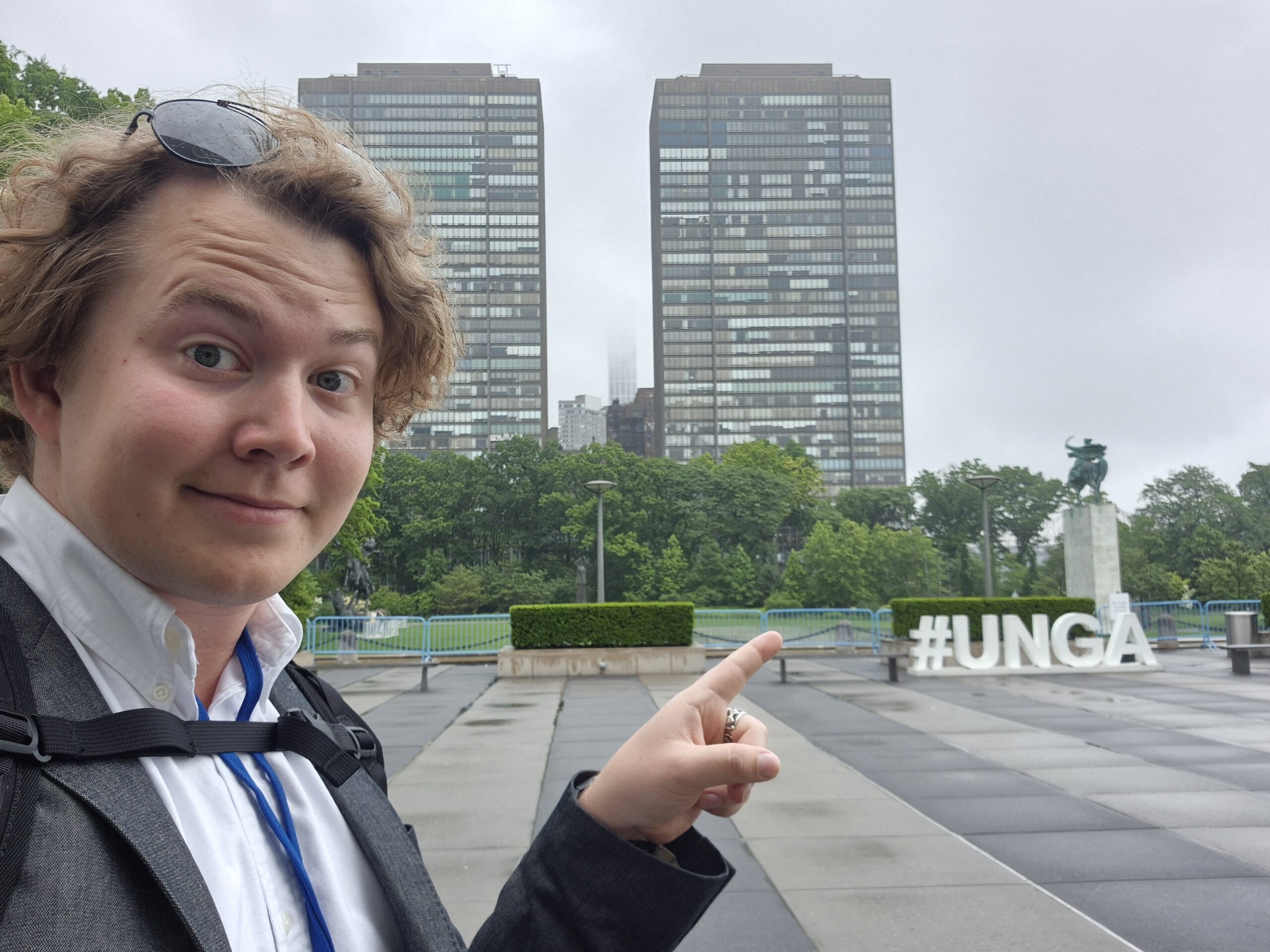
by Kristian Johansson Kalzén, Sweden
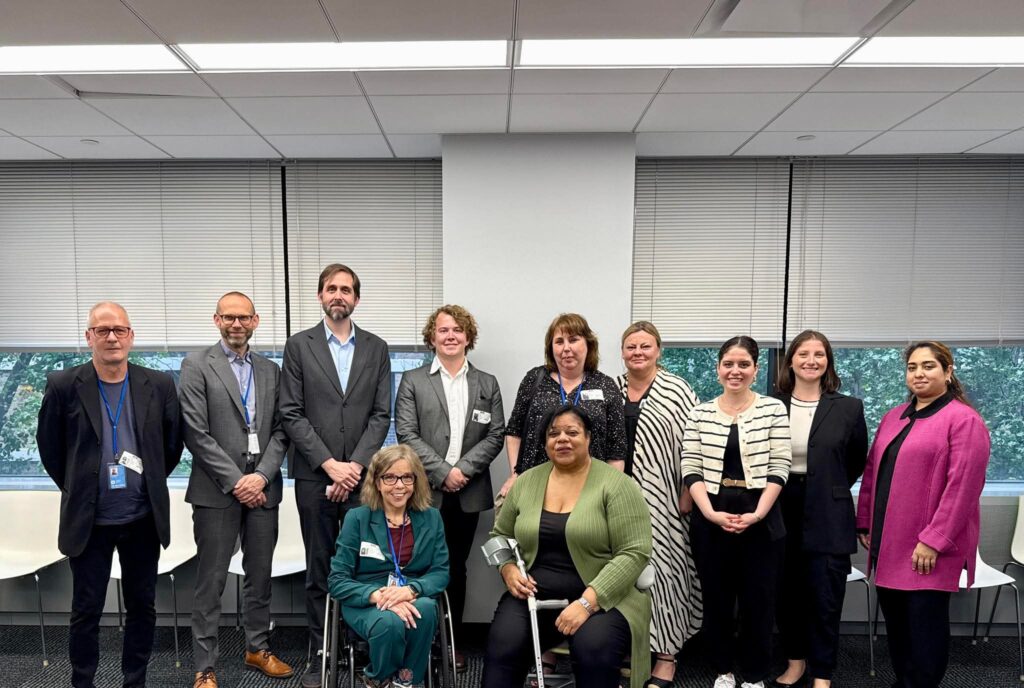
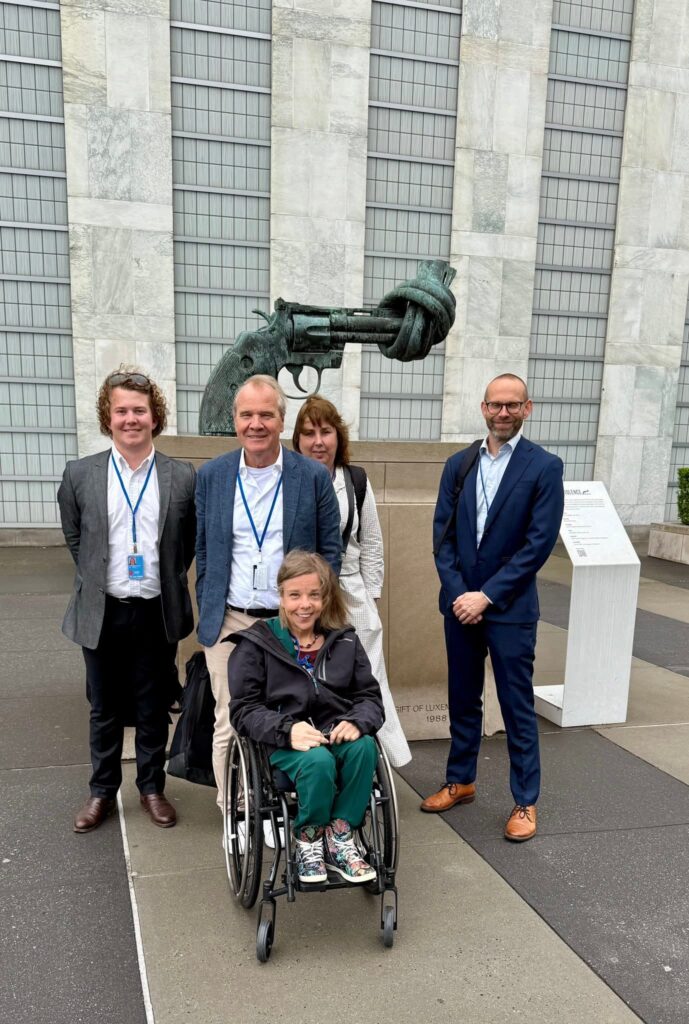
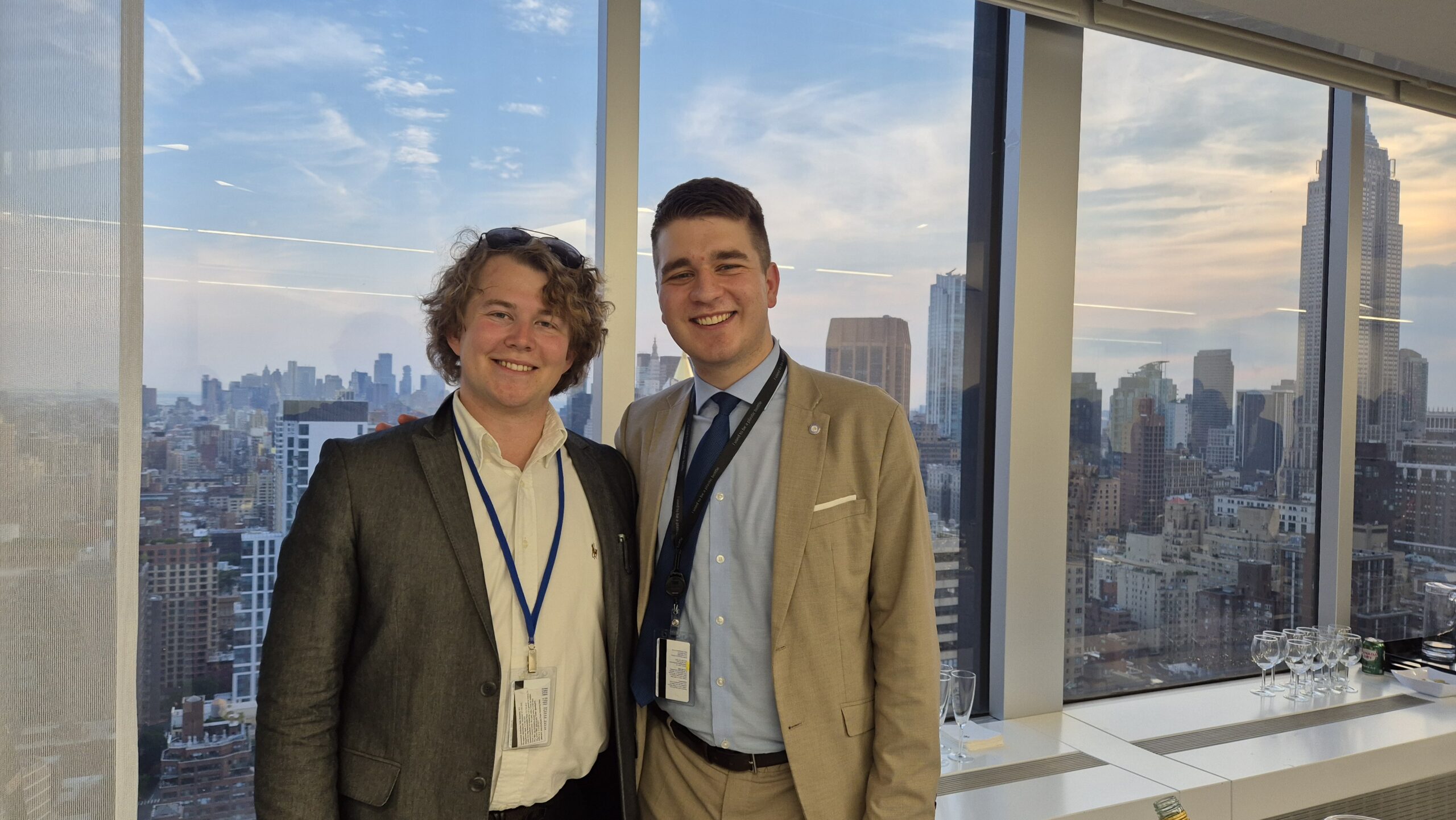
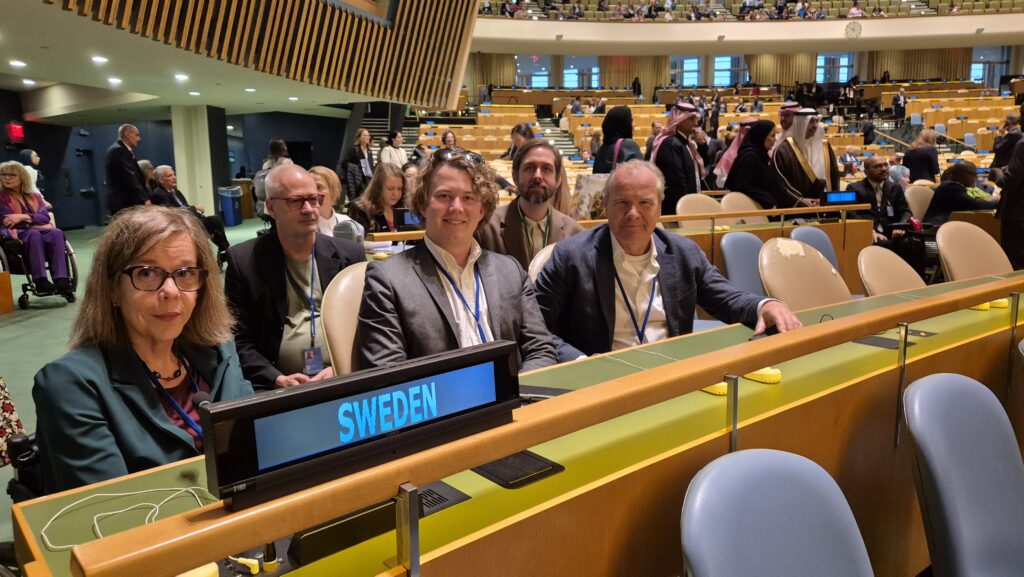
In June, Kristian, President of the Swedish Coeliac Youth Society, represented Sweden’s youth disability rights movement at the United Nations 18th Conference of States Parties to the Convention on the Rights of Persons with Disabilities (COSP18) in New York. The conference brought together leaders, activists, and organisations from around the world to discuss how to advance rights, participation and inclusion for people with disabilities.
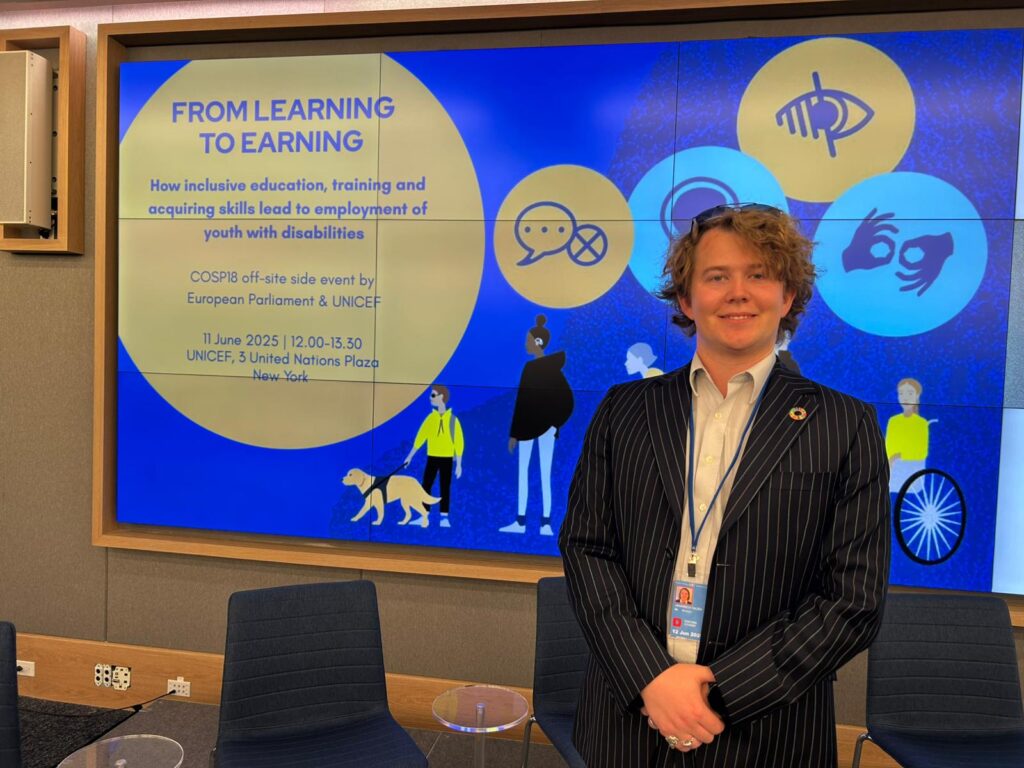
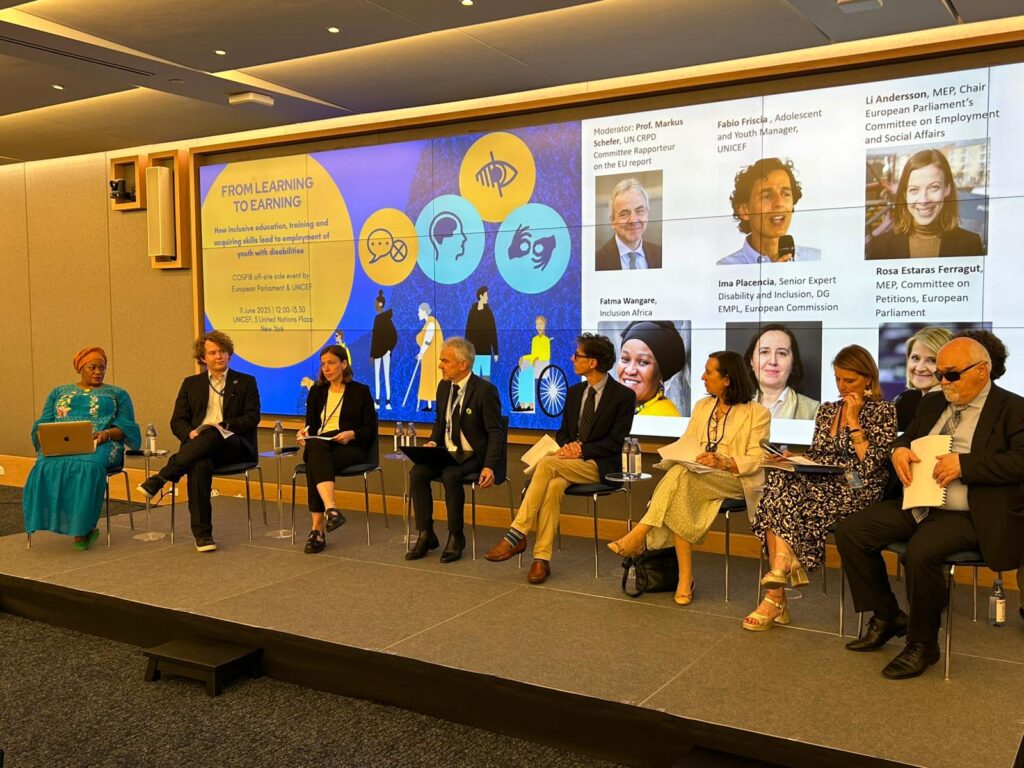
Kristian participated in a wide range of events during the week, from high-level panel discussions to informal talks with other youth delegates. At a side event co-hosted by the European Parliament and UNICEF, he delivered a powerful speech on the importance of inclusive education and access to the labour market for young people with disabilities. Drawing from personal experience, he highlighted how small adjustments in school environments, like extended time, dietary accommodations, and flexible learning materials, can have a big impact on a young person’s path to success.
But the experience wasn’t just about policies and speeches. For someone living with coeliac disease, accessibility takes on an entirely practical meaning. While New York City offered relatively good gluten-free options, the UN headquarters presented unexpected challenges. Inside the building, meals often lacked proper allergen labels, and in some cases, had no ingredient information at all, something that made safe eating a daily concern. It was a clear reminder that inclusion isn’t just about ramps or representation. It’s also about food safety and the right to fully participate, without risking your health.
Kristian attended COSP18 together with Anders Laago from the Swedish Disability Rights Federation and Åsa Strahlemo from DHR, the National Association for the Disabled, where DHR stands for Participation, Power of Action, and Freedom of Movement. Together, they contributed to the global conversation on disability rights, bringing attention to youth voices and everyday realities, from education and employment to something as essential as knowing what’s in your lunch.
For Coeliac Youth of Europe, this kind of advocacy shows how young coeliacs can, and must, be part of broader rights movements. Because coeliac disease is not just a medical condition, it’s a question of access, equality and dignity.