by Jana Čarnohorski, Croatia
Just when you think you have figured out how to live with coeliac disease in our little corner of the world, travels take you to the other side of the globe, into a wonderland filled with exotic cuisine and completely unfamiliar gluten-free culture. This is exactly what happened to me on my recent trip to Japan!
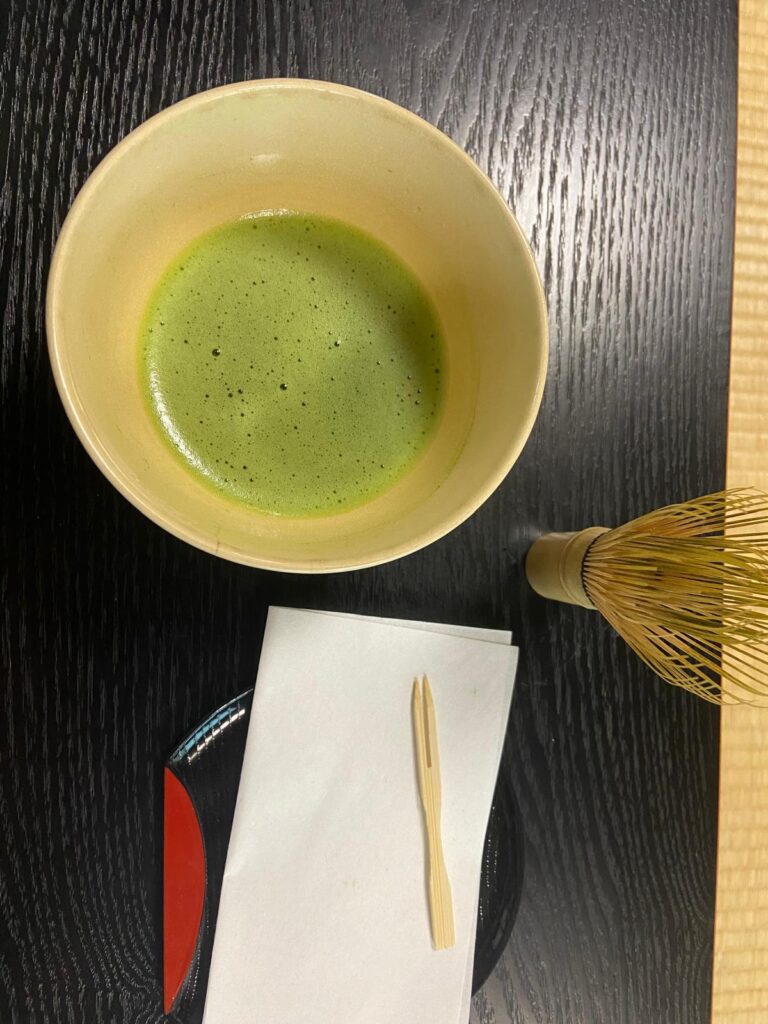
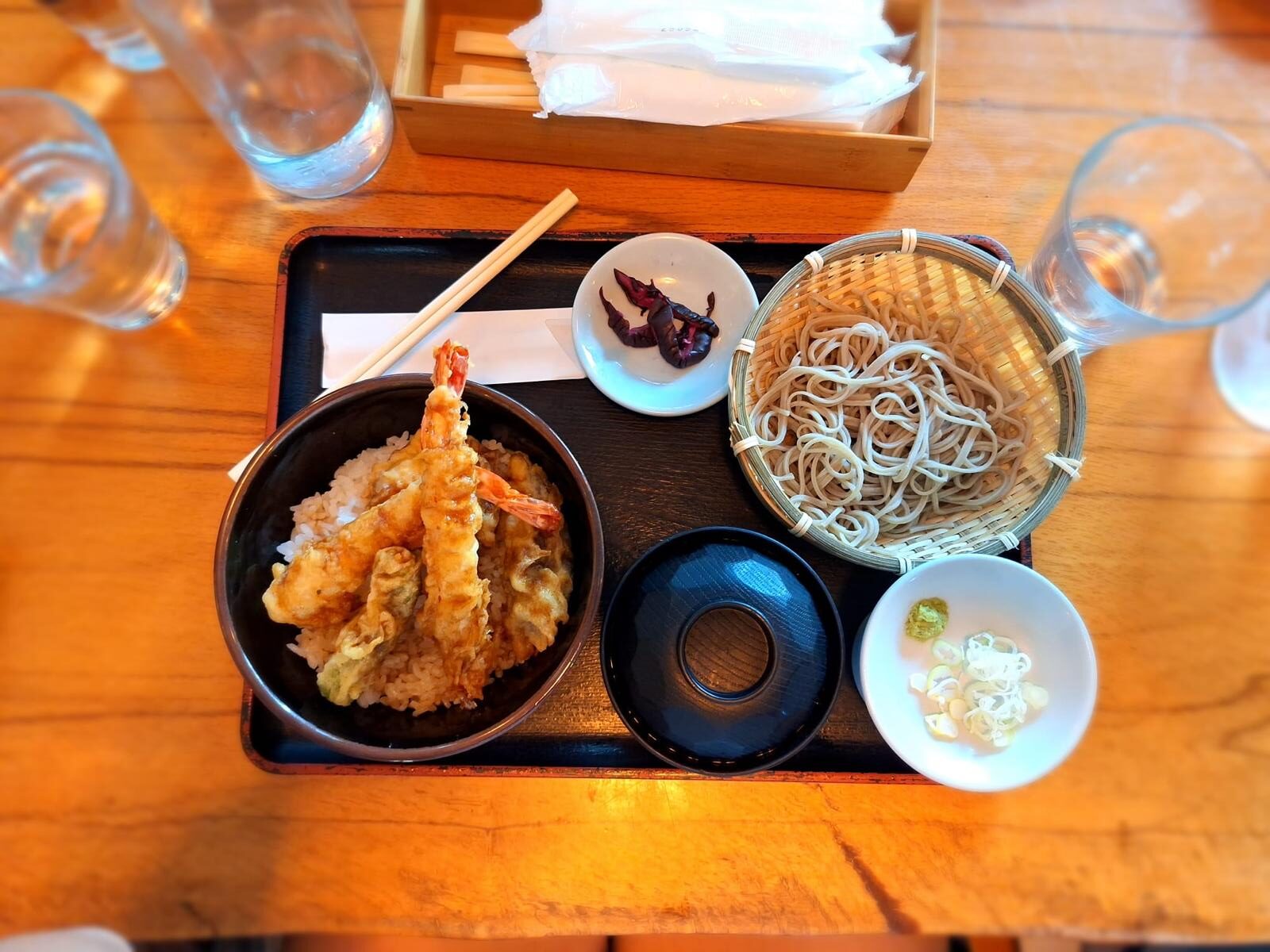
The Land of the Rising Sun is known around the world for its flavourful cuisine. It is therefore impossible to visit this beautiful country and fully enjoy its culture without immersing yourself in its traditional tea ceremonies, unique dining experiences and (dread to all coeliacs) diverse street food. However, none of these are an easy feat in a country where coeliac is a rare disease, “gluten” is an unfamiliar term, and English is not spoken. But fear not! Because travelling in such a country as a coeliac is still very much possible (and enjoyable!).
First of all, use Google Translate, especially its photo-translate feature. This will become your new way of communication and really the only way to check the ingredients of any sort of product you want to buy in a store.
Secondly, familiarise yourself with Japanese dishes. Although most of them are “naturally” gluten-free, a lot have gluten hidden in soy sauce, miso or other. Learning about their dishes in advance will enable you quickly search for a possible meal in the supermarket or know which specific ingredient you have to look out for or ask about when asking for a gluten-free meal.
Thirdly, as always, use one of the many gluten-free travel apps as a guide on what restaurants can offer gluten-free meals. Mind these are only recommendations, so always take them with a grain of salt! I would recommend always reading the comments from other coeliacs to check for any specific issues with a place.
Last but not least, I would highly recommend bringing your own soy sauce, bread and a couple of snacks from home. As mentioned, although it is an essential condiment to most of Japanese dishes, soy sauce is notorious for having gluten (for no apparent reason) and its gluten-free alternative may not be that easy to find when you’re in Japan for the first time. Similarly, bread is not commonly eaten in Japan, but it makes for a great and filling breakfast. Sparing some space in your suitcase for these couple of products may save you a lot of time and energy later on!
That is all for now. Hope this advice will serve you well and make for a highly enjoyable trip to the other side of the world!